12 Common Hair Conditioner Mistakes You Must Stop Making
Conditioner looks easy. Put it on after shampoo, rinse, move on with your day. But a few small habits with it can leave your hair greasy, flat, tangled, dry, or a pain to style.
Half the time the conditioner is not even the problem. How much you use, where you put it, and how well you rinse it out often matter more than the bottle itself. Your hair type plays a part too. Fine hair and thick curls almost never want the same routine.
Here are the conditioner mistakes worth dropping.
Jump to:
- 1. Putting Conditioner Straight on Your Scalp
- 2. Using Way Too Much
- 3. Using Too Little
- 4. Using the Wrong One for Your Hair
- 5. Slathering It on Soaking-Wet Hair
- 6. Rinsing It Out Right Away
- 7. Leaving Rinse-Out Conditioner In
- 8. Rinsing Your Hair Badly
- 9. Spreading It On Unevenly
- 10. Treating Conditioner Like a Mask
- 11. Sticking With the Same Routine After Your Hair Changes
- 12. Expecting Conditioner to Fix Everything
- Wrapping Up
1. Putting Conditioner Straight on Your Scalp
Coat your whole scalp in a rich conditioner and some hair types turn greasy and flat fast. Fine or oily hair especially.
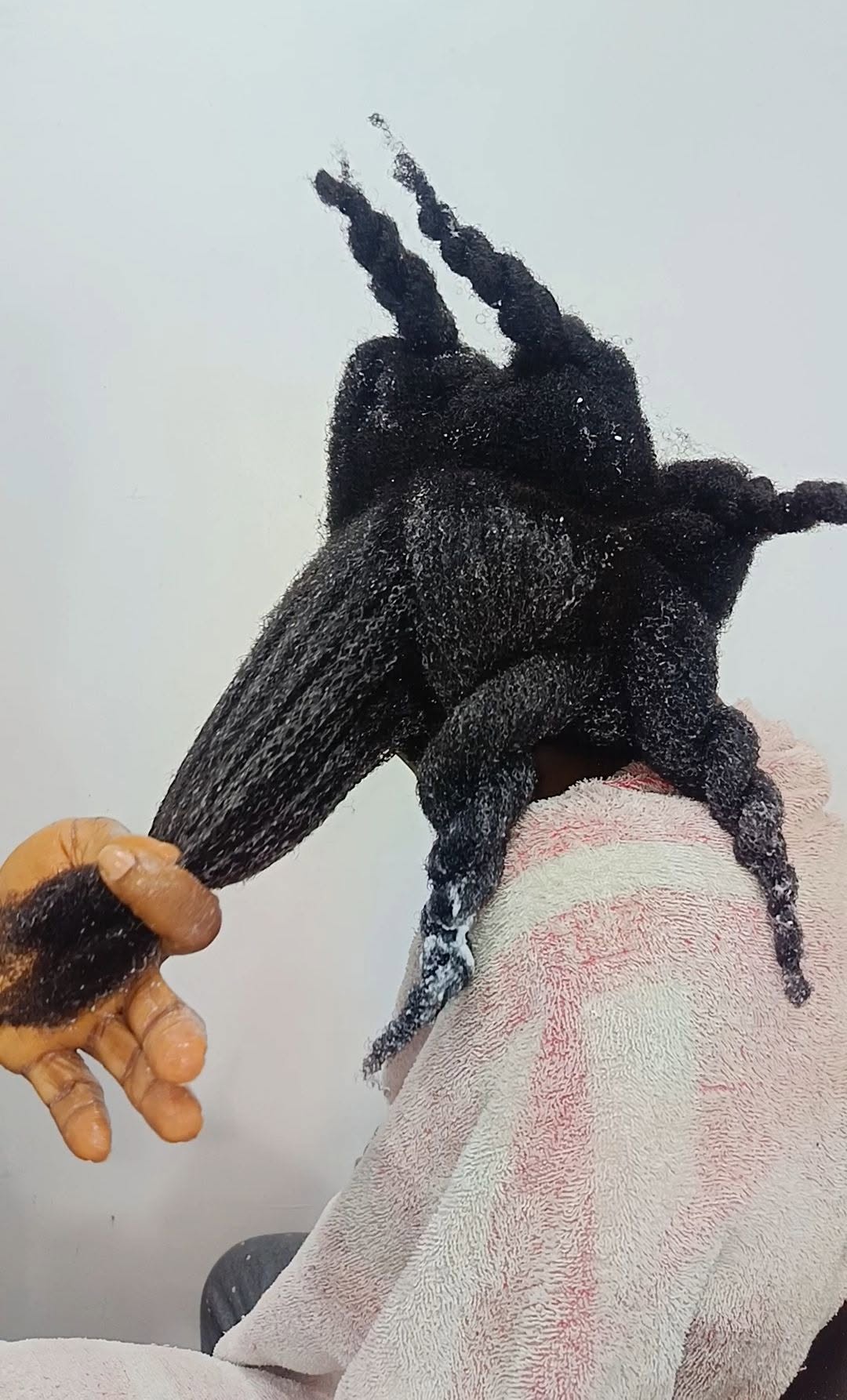
Work your regular rinse-out conditioner through the mid-lengths and ends instead. Those older sections are drier and more worn than the fresh hair near your roots, so that is where the product earns its keep.
Curly, coily, very dry, or chemically treated hair can be a different story, and a few scalp conditioners are made to go right on the roots. Read the label and go by your own hair before you decide where it lands.
2. Using Way Too Much
More conditioner does not make softer hair. Pile it on and it just coats your strands until they feel heavy, limp, or slick after you wash.
Start with a small amount and spread it well. Long, thick, curly, or porous hair drinks up more than short or fine hair does, so adjust for your own length and density. If your clean hair always feels coated or goes flat by lunchtime, try less before you swap the whole routine. Cutting the amount often fixes it on the spot.
3. Using Too Little
Skimp too hard and you get the opposite trouble. Your lengths and ends stay rough, knotty, and hard to handle when they never get enough.
This bites most with long, curly, bleached, colored, or naturally dry hair. Those types need enough product to actually reach the parts that are struggling. Aim for hair that feels coated but not drowning. Nudge the amount up bit by bit until it rinses out smoother and combs through easier.
4. Using the Wrong One for Your Hair
A conditioner built for thick curls will flatten fine, straight hair. Go too light and it does nothing for dry or coarse strands.
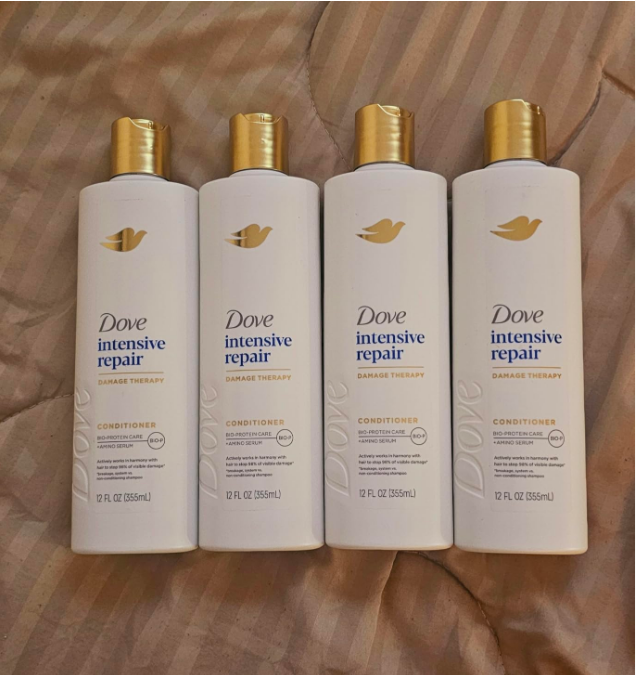
Match the product to the hair you actually have. Think about density, texture, how oily or dry it runs, any color or bleach, and how much heat you use. Fine hair likes lighter formulas, especially when you want volume. Thick, coarse, curly, or dry hair wants something richer. Color-treated or damaged hair often needs a bit extra. Pick for your hair, not for whatever is trending.
5. Slathering It on Soaking-Wet Hair
Dripping hair waters your conditioner down. It slides right off before you get it where it needs to go.
Rinse your shampoo, then gently press the extra water out. You want damp, not soaked. Then run the conditioner through the spots that need it. You get more out of the product and waste less. Just do not wring or twist to squeeze the water out, since that yanking can snap strands.
6. Rinsing It Out Right Away
Slap it on and rinse it off two seconds later and the formula never gets a chance to do its job.
Check the bottle and give it the time it asks for. Most rinse-out conditioners want a minute or so on the hair first. Use that minute to comb it through your lengths. Leaving it on way past what the label says does not help, though. Longer is not better. A regular conditioner is not an overnight mask, so treat it like what it is.
7. Leaving Rinse-Out Conditioner In
Rinse-out and leave-in are two different jobs. Leave a big load of rinse-out conditioner in and your hair goes coated, greasy, and heavy.
Rinse the regular stuff the way the label tells you to. If your hair still wants more moisture or help detangling after that, reach for an actual leave-in. This matters even more when you layer styling products on top. Start with hair that was not rinsed properly and everything you add feels heavier. Use each product for what it is meant to do and you keep control of the end result.
8. Rinsing Your Hair Badly
Rushing wash day makes half-rinsing an easy slip. Leftover conditioner leaves your hair oddly waxy or heavy almost as soon as you get out.
Take the time to rinse it all the way, especially with a thick, creamy formula. Dense hair hides product between sections, so it needs more attention. Part your hair as you rinse so the water actually reaches everywhere. If your roots and lengths feel coated the second you step out, look at your rinsing before you blame the shampoo.
9. Spreading It On Unevenly
Dumping a glob on one spot and mashing it around does not spread it. Some strands get buried in product and others get nothing.
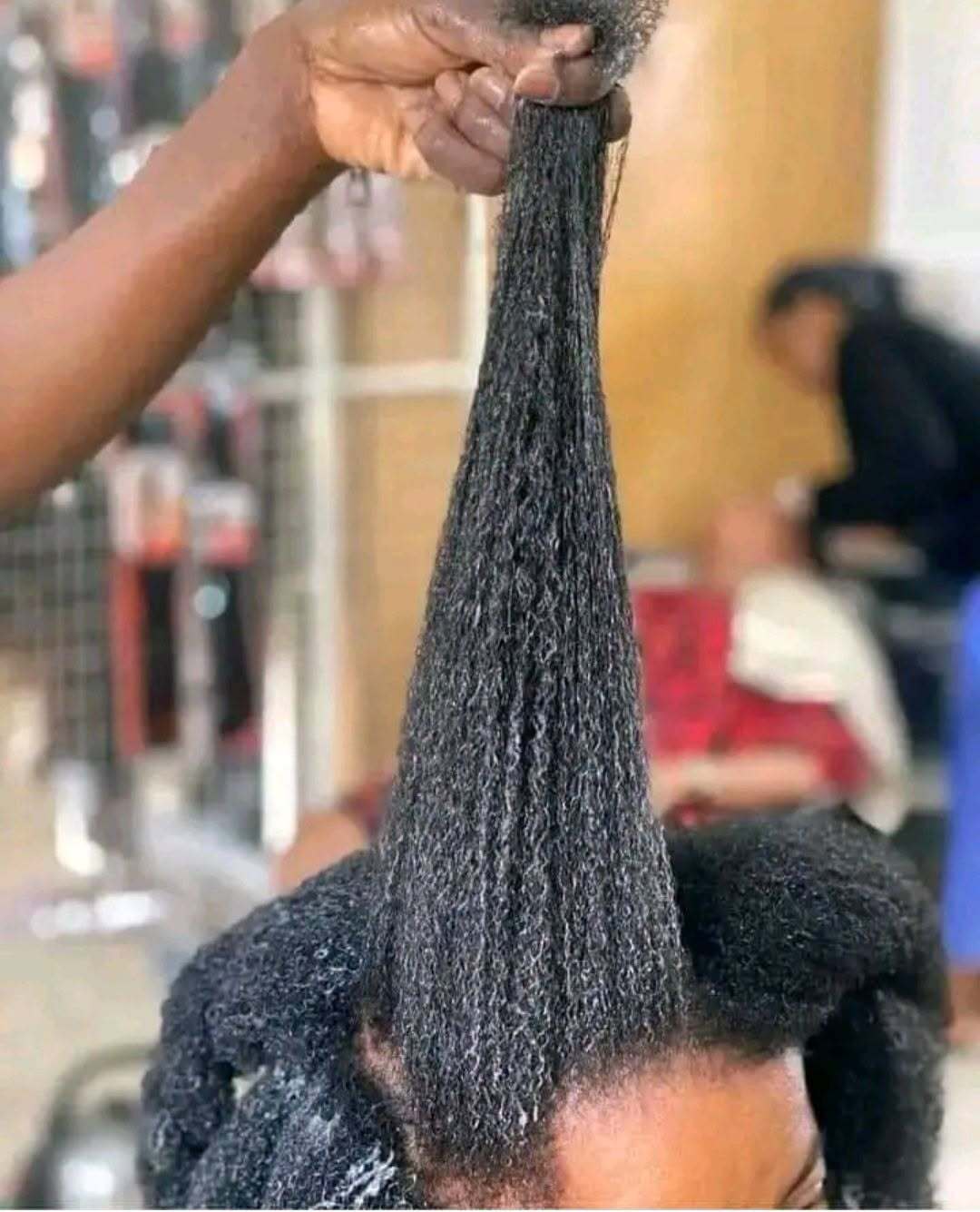
Work it through your lengths with a little care. Thick or curly hair is far easier to cover if you split it into sections first. Give your ends extra love, since they are the oldest and most beaten-up part of your hair. Fingers or a wide-tooth comb help move the product along, as long as your hair takes to detangling while wet.
10. Treating Conditioner Like a Mask
Everyday conditioner and a deep mask are not the same thing. Regular conditioner keeps your hair soft and easy to manage day to day. Masks are richer and meant for once in a while.
Use a heavy mask every single wash and you flatten some hair types, fine or thin hair most of all. Dry or damaged hair, on the other hand, does well with a deeper treatment now and then. Go by each product's directions instead of assuming heavier always means healthier. Build the routine around what your hair needs, not around stacking on thicker stuff.
11. Sticking With the Same Routine After Your Hair Changes
Your hair does not stay the same. Bleach, color, heat, weather, growing it out, a new cut. Any of those can change how it acts.
That light conditioner from a few years back might not soften enough anymore. Or a rich one turns into overkill once you cut the damaged length off. Watch how your hair feels after you wash. Heavy and flat means back off or go lighter. Rough and knotty means your lengths are not getting enough.
12. Expecting Conditioner to Fix Everything
Conditioner makes hair softer, smoother, easier to handle, and it can make damage look better. It cannot turn wrecked hair permanently healthy again.
Split ends do not fuse back together for good. A product can smooth them for a bit, but badly split ends have to come off eventually. If your hair keeps snapping no matter how gently you condition it, step back and look at the whole picture. Too much bleach, high heat, tight styles, rough detangling. Any of those could be the real culprit. Conditioner is one piece of the routine, not the whole rescue.
Wrapping Up
Most conditioner problems come down to technique, not the bottle. Get the amount right for your hair, keep it off your roots if it weighs you down, give it a minute to work, and rinse it all the way out. That alone clears up most of the greasy, flat, or coated complaints people blame on the product.
The rest is just paying attention. Soft, movable hair that behaves after you wash means your routine is working. Greasy, flat, tangled, or crunchy hair means something is off, so tweak how you are using what you have before you go buy something new. Nine times out of ten, the fix is in your hands, not on the shelf.