12 Common Hair Mistakes That Make Women Look Older
Your hair changes how your whole face reads. A cut or color that looked great for years can quietly stop doing you any favors as your hair shifts. It gets finer. Drier. Less full than it used to be. Your taste changes too.
None of this calls for a big makeover. Tweak the cut, the color, the volume, or the way you style it, and the whole thing freshens up. Here are the mistakes that tend to add years, often without anyone meaning to.
Jump to:
- 1. Keeping the Same Cut for Years
- 2. Wearing Your Hair Dead Flat
- 3. Going Too Dark
- 4. Going Too Light
- 5. Picking the Wrong Bangs
- 6. Letting Long Hair Go Shapeless
- 7. Ignoring Split, Dry Ends
- 8. A Cut With No Movement
- 9. Fighting Your Natural Texture
- 10. Piling On Product
- 11. Too Much Stiff Volume
- 12. Choosing a Style by Your Age Alone
- Wrapping Up
1. Keeping the Same Cut for Years
Find a haircut you love and you want to keep it forever. Wear the exact same shape for twenty years, though, and it starts to show its age. Your hair has changed since then anyway. It is finer, or thinner, or falls differently.
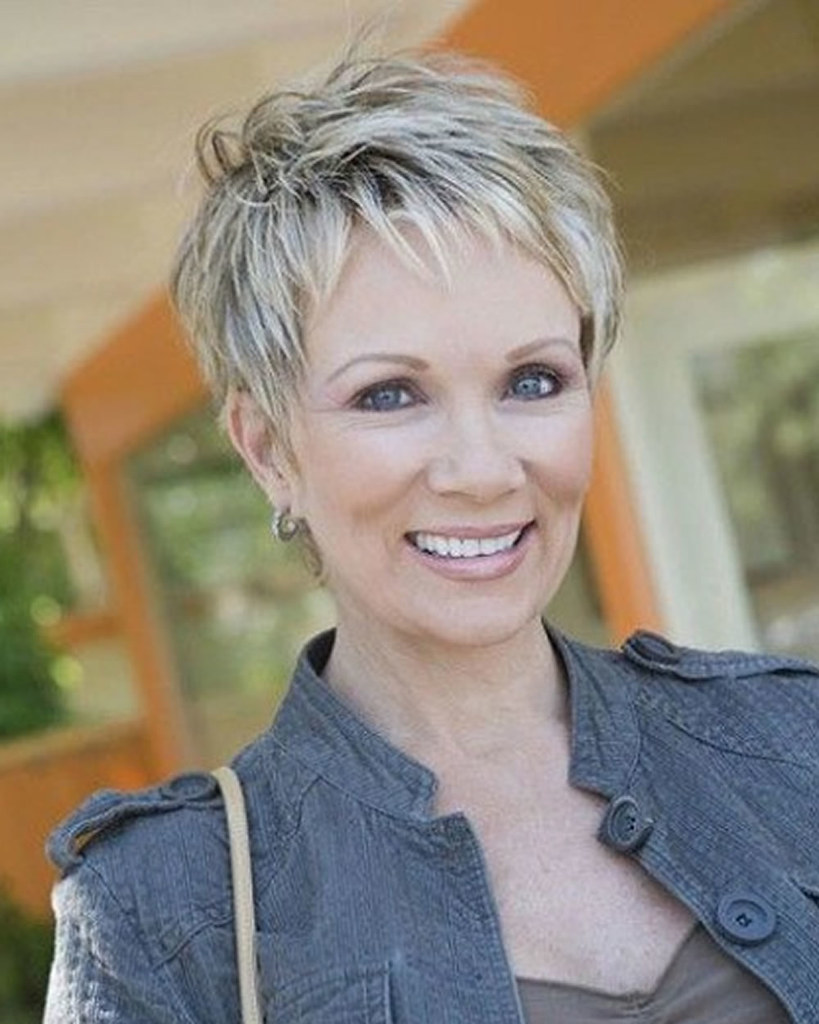
You do not have to chase every trend to fix this. Just nudge the small stuff. Soften the layers, switch up the bangs, change the length a little. A cut that fits the hair you have now beats one built around the hair you had a decade ago.
2. Wearing Your Hair Dead Flat
Flat hair puts a spotlight on thinning and makes your features look heavier. It shows up most when long hair hangs straight down beside your face with no layers and no movement.
Fixing it does not mean piling on volume. A bit of fullness at the crown wakes the whole style up. Cut a few pieces shorter at the front and they pull the eye up toward your cheekbones and eyes. A quick blowout or loose waves gives you enough body without turning your mornings into a project.
3. Going Too Dark
Very dark, flat color can throw a hard line against your skin. Every shadow, every fine line, every uneven patch stands out more next to it.
Nobody is telling you to go blonde. Stay near your natural shade and just add some depth. A few highlights, some softer pieces around the face, a touch of warmth. Any of those keeps dark hair from looking like a solid block. What suits you comes down to your skin and coloring, not your birthday.
4. Going Too Light
Bleach-blonde swings you the other way. Get too pale and the color melts into your skin, drains out the contrast, and leaves you looking washed out. All that lightening dries the hair too, so damage shows.
Skip the whitest blonde on the shelf and blend a few tones instead. That gives you depth and movement. Shine matters just as much. Well-kept silver, gray, blonde, brown, or red all look great at any age. Healthy hair reads younger than any specific color does.
5. Picking the Wrong Bangs
Bangs can open up your eyes and soften a cut. Pick them without thinking about your hair type and face, though, and you end up fighting them every morning.
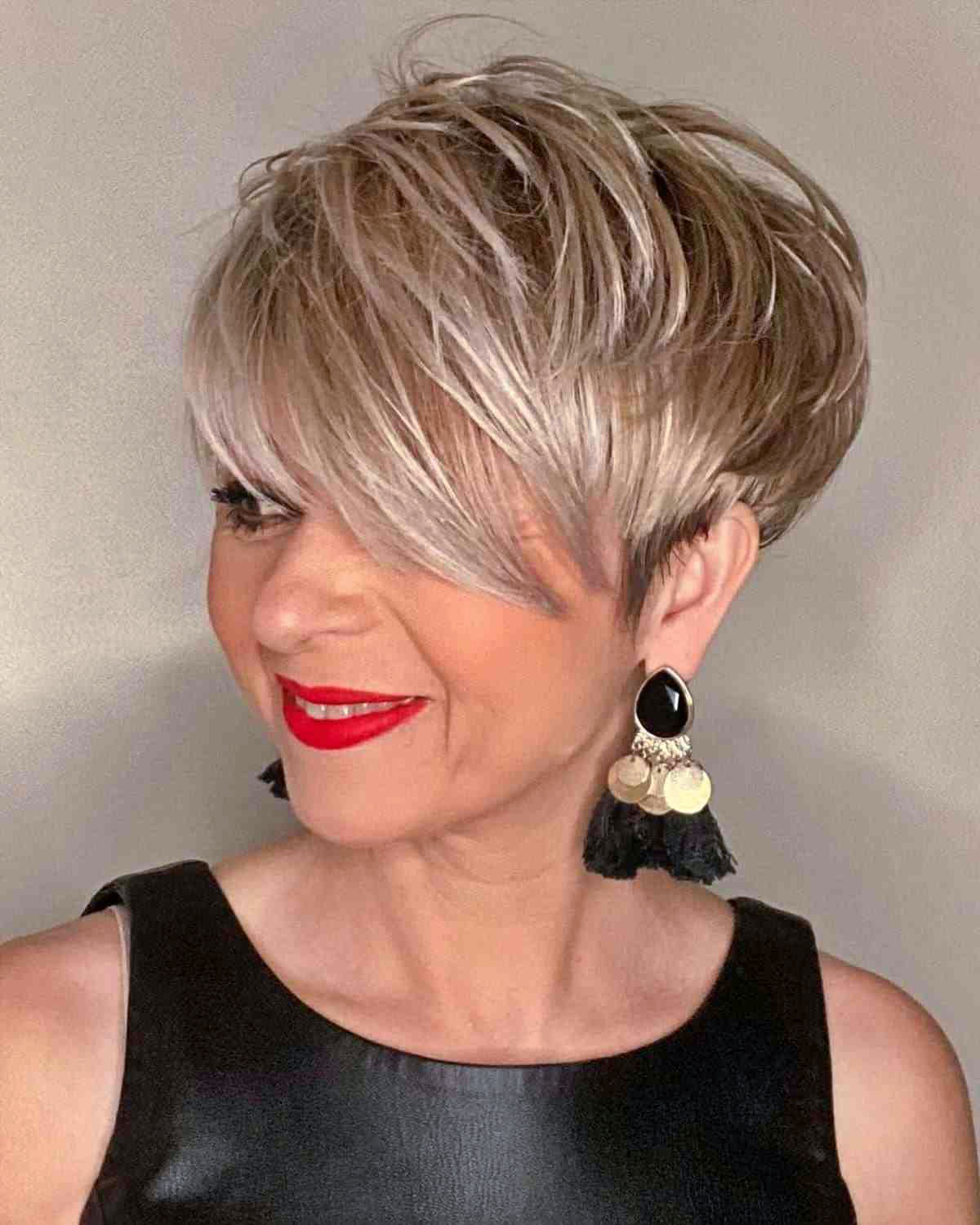
Thick, blunt fringe swamps some faces. A very short one looks harsh on others. Curtain bangs, wispy fringe, or longer side-swept pieces are gentler. Before you commit, think about how your hair actually behaves. Strong cowlick? Greasy by noon? Some fringe will fight you daily. Get bangs that fit the routine you already have.
6. Letting Long Hair Go Shapeless
Long hair does not age you on its own. Length with no shape does. When your hair falls in one heavy sheet from root to tip, it drags the eye straight down.
Long layers keep the length and add some movement. Cutting a few shorter pieces at the front lifts things toward your cheekbones. If your ends have gone stringy, taking off an inch or two makes the whole head look fuller. The point is not chopping your hair short because of your age. It is giving the length something to work with.
7. Ignoring Split, Dry Ends
The best cut in the world falls apart when the ends look frayed and thirsty. Wrecked ends make your whole style look uncared for and kill the swing in it.
Regular trims hold the shape and clear out the damaged bits. How often depends on your cut, your texture, and what you put your hair through. A short, structured cut needs the chair more often than long layers do. Between visits, ease up on heat and treat those ends gently. Fresh ends make a style look cared for right away.
8. A Cut With No Movement
One solid, heavy shape can feel like a helmet, especially once your hair thins out. The right layers add shape without stripping out the fullness you want to keep.
The trick is doing it right. Fine hair does not love a pile of short layers, since they leave the ends looking wispy. A good stylist builds soft movement inside the cut instead, or leaves longer pieces at the front. Thick hair is the opposite and can lose some weight. Let your texture call the shots.
9. Fighting Your Natural Texture
Battling your own hair every day wears it out and wears you out. Ironing every wave flat, or forcing curls into stick-straight hair, means heat, and lots of it.
Work with what your hair wants instead. Waves love layers that let them move. Curls look great in a shape built to hold them. Straight hair does well with clean lines and a few softer pieces up front. Go with the grain and you get an easier result and far less time with a hot tool.
10. Piling On Product
More product does not mean better hair. Heavy creams, oils, and sprays stack up and drag your strands down. Fine hair goes flat the fastest when you overdo it.
Start small and add more only if you need it. Put the heavier conditioners where your hair is actually dry, not everywhere out of habit. Match the product to your hair. Light formulas for fine hair, richer ones for thick or curly. And wash it out properly, or the buildup dulls everything over time.
11. Too Much Stiff Volume
Flat hair looks lifeless, sure. Swing too far the other way, though, and a teased crown drowning in hairspray looks just as dated.
Today's volume is soft and moves. Lift the roots a little and let the lengths fall free. A few layers, a careful blow-dry, or loose waves give you fullness with none of the helmet. Volume should back up your cut, not take it over.
12. Choosing a Style by Your Age Alone
Here is the big one. Plenty of women believe certain styles are off-limits after a round-number birthday. There is no cut every woman must switch to at 40, 50, or 60.
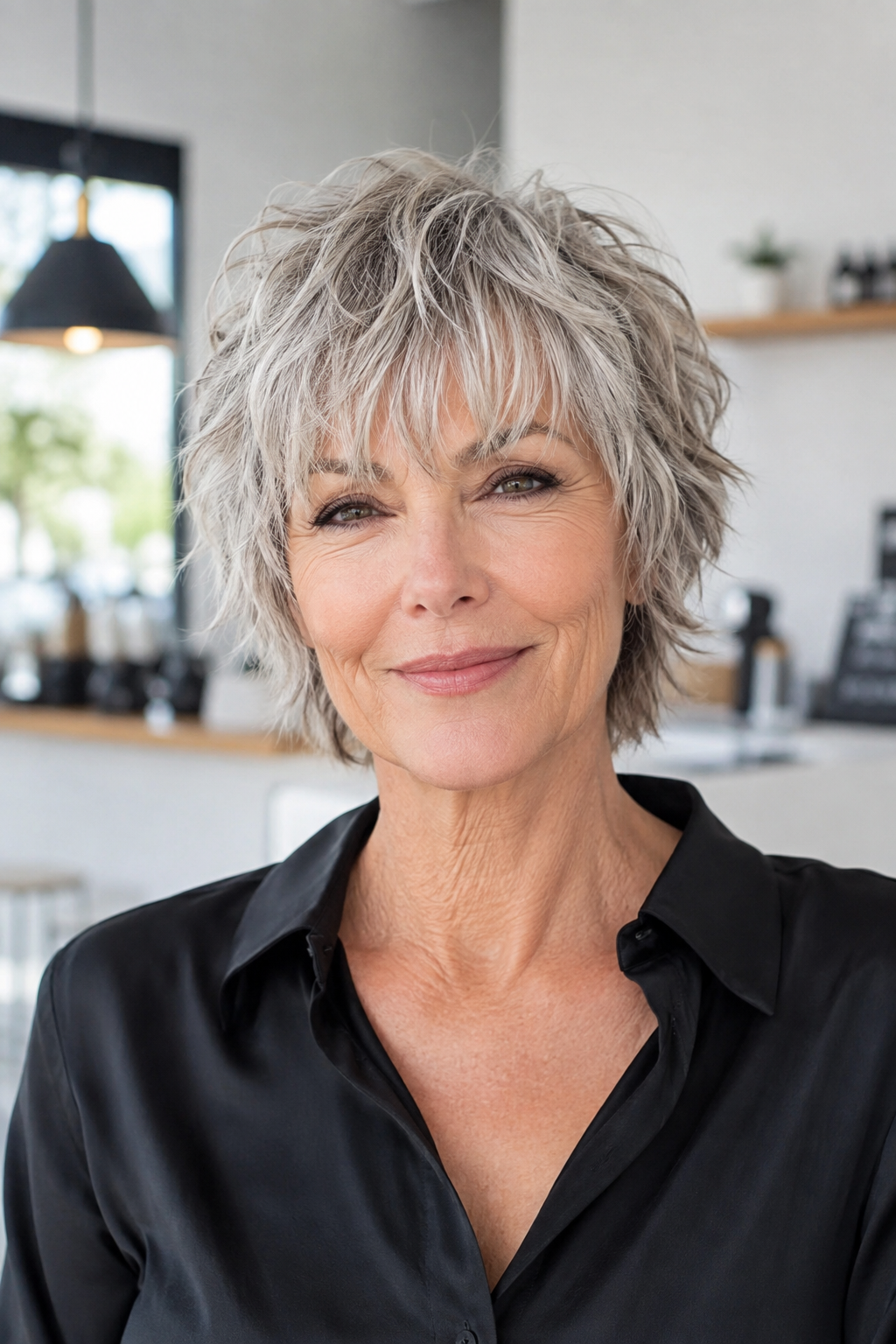
Your hair type, your face, how much upkeep you want, what you actually like. All of that matters far more than a number. A pixie suits one woman perfectly while another feels like herself with hair to her waist. Gray looks striking on some. Others want deep brown or bright blonde, and that is fine too.
Stop asking if you are too old for a style. Ask if it works with your hair and makes you feel good. That is the whole test.
Wrapping Up
None of these mistakes are hard to undo. That is the good part. You do not need a whole new look, just a few small moves. Soften a heavy shape. Add some lift where it fell flat. Warm up flat color with a little depth. Keep your ends healthy. Change one thing at a time and see how it lands.
The bigger point is to stop letting a number in your head decide what you can wear. Short, long, bangs, curls, gray, bold color, sleek and straight. It all works at any age. The only style that ever ages you is one built around hair you no longer have. Go with the hair you have now, and it takes years off on its own.