
How to Build a Hair Care Routine That Actually Works
A good hair routine does not need ten products or an hour in front of the mirror. It comes down to a few things: know your hair, keep your scalp clean, condition the right way, and keep your strands out of harm's way.
What that looks like changes from person to person. Fine, straight hair can go greasy by the next morning. Curly and coily hair usually wants more moisture and fewer washes. Color, heat, scalp issues, and the styles you wear every day all shift what your hair is asking for.
Here is how to put together a simple routine that actually holds up.
Jump to:
- 1. Figure Out Your Hair Type First
- 2. Name Your Main Hair Problems
- 3. Wash on a Schedule That Fits You
- 4. Shampoo the Scalp, Not the Ends
- 5. Condition After You Wash
- 6. Detangle With a Gentle Hand
- 7. Add Moisture When Your Hair Asks for It
- 8. Guard Your Hair Before Heat
- 9. Pick Styling Products With a Reason
- 10. Protect Your Hair Between Washes
- 11. Add Treatments Only When You Need Them
- 12. Change the Routine When Your Hair Changes
- Wrapping Up
1. Figure Out Your Hair Type First
Before you buy a single new product, look at the hair you already have. Straight, wavy, curly, or coily? Then check the rest: how thick it is, how dense, how dry or oily it runs, and what kind of shape it is in.
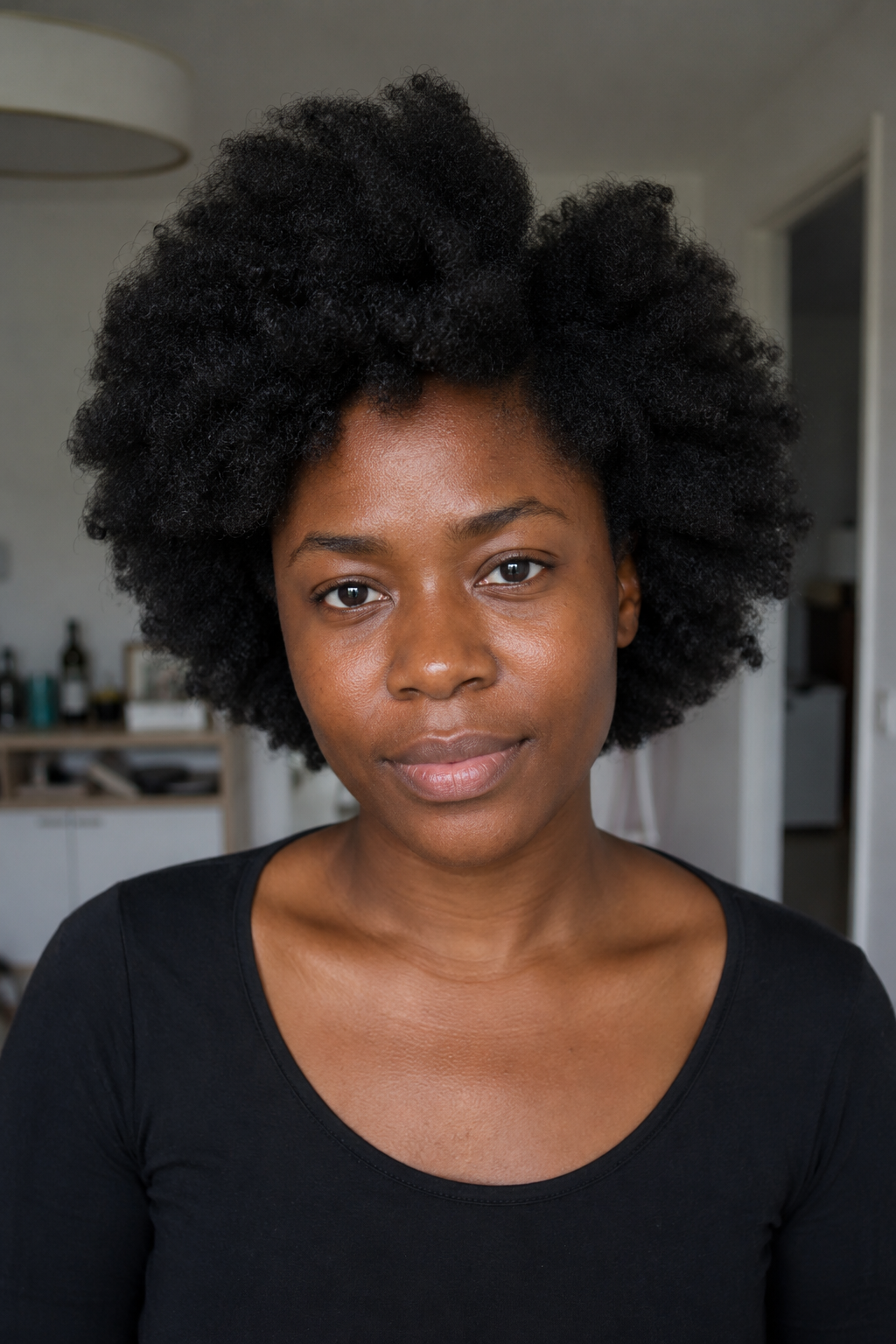
All of that steers nearly every step that follows. Fine hair gets dragged down by rich products. Thick or curly hair usually wants more conditioning, not less.
Treatments count too. Bleached, relaxed, or colored hair is more fragile and needs a lighter touch. Knowing where you are starting keeps you from copying a routine built for someone whose hair is nothing like yours.
2. Name Your Main Hair Problems
Trying to fix every possible issue at once turns a routine into a mess. Pick the problems you actually deal with.
Maybe it is dryness. Maybe grease, frizz, breakage, knots, flatness, or a scalp that never feels right. Once you know what you are up against, the right products get a lot easier to spot.

Skip the treatment everyone is raving about online if it does not match your hair. Dry curls and fine, oily hair are two different worlds. Build around your own trouble spots, then change things up as those trouble spots change.
3. Wash on a Schedule That Fits You
Nobody has to shampoo daily, and nobody has to stretch it to once a week. How often you wash depends on your scalp, your texture, your life, and how much product you pile on.
Straight hair with an oily scalp might need washing often. Dry, thick, curly, and textured hair usually stretches a lot further between washes.
Do not lock yourself into some number you read somewhere. Watch your scalp. Wash when it and your hair genuinely need it. Sweat, oil, product, and grime all move that timing around. The goal is a comfortable scalp without drying your ends to a crisp.
4. Shampoo the Scalp, Not the Ends
Shampoo is there to clean your scalp. Scrub it down your whole length every wash and you dry out ends that are already the most fragile part.
Keep the shampoo up at your scalp and roots. Massage with your fingertips instead of digging in with your nails. As you rinse, it runs down through the rest of the hair on its own, which is plenty.
If you use a lot of heavy product, you might need a deeper clarifying wash now and then to clear buildup. Do it too often, though, and some hair types dry right out. Let how your scalp and hair feel tell you when a deeper clean is due.
5. Condition After You Wash
Conditioner softens your hair, helps you detangle, and makes it easier to handle. Where you put it depends on your hair.
This is also where a little technique goes a long way, and a few common conditioner mistakes can quietly undo the whole step.
Fine or straight hair might only want it on the ends. Dry or curly hair does better with it worked further up the length. Leave it on for the time the bottle says, and give your ends extra attention, since they have taken the most wear. If your hair feels heavy after, use less or switch to something lighter.
6. Detangle With a Gentle Hand
Getting the knots out is a big part of keeping your length. Rip through them and you snap hair you did not need to lose.

Your method depends on your texture. Thick, curly hair often detangles best in the shower while conditioner gives it slip. Straight hair can wait until it has dried a little. Either way, start at the ends and work up as the knots let go, never dragging a comb straight from root to tip. A wide-tooth comb helps. Patience beats force every time.
7. Add Moisture When Your Hair Asks for It
For some people, shampoo and conditioner cover everything. Others need more, especially curly, coily, dry, bleached, or heat-styled hair.
A leave-in adds softness and makes detangling easier. A mask or deeper treatment now and then helps hair that feels parched. Just do not stack five moisturizing products out of habit. Too much weighs fine hair down and kills the movement. Start simple and add moisture only when your hair keeps telling you it wants more.
8. Guard Your Hair Before Heat
Blow-dryers, flat irons, and curling wands wear hair down when you lean on them too hard. Constant high heat leaves strands dry and brittle. It is one of the biggest causes of breakage and thinning, so it is worth handling with care.
Put a heat protectant on first. Keep the tool at the lowest temperature that still gets the style done, and stop running it over the same section again and again. You can cut your heat use down further with air-drying or a no-heat style once in a while. You do not have to give up hot tools for good. Using them with some restraint changes where your hair ends up months from now.
9. Pick Styling Products With a Reason
Every styling product should do a job. Mousse for volume, gel for hold, serum for smoothness, whatever gets you the finish you want.
Grabbing three products just because they are on the shelf builds up gunk and drags your hair down. Fine, thin hair shows it first. Start with the least you need to get the look, then watch how your hair acts through the day. Greasy, stiff, sticky, or flat by afternoon usually means too much product or something too heavy for you.
10. Protect Your Hair Between Washes
Hair care does not stop when you towel off. How you treat your hair the rest of the week has a lot to do with breakage.
Ease off the super-tight styles. Brush less, and work through tangles gently. When you dry fresh-washed hair, blot the water out instead of scrubbing it with a towel. If you work out or restyle a lot, keep an eye on the spots that take repeated pulling. Little bits of damage stack up when they happen day after day.
11. Add Treatments Only When You Need Them
Once cleansing, conditioning, detangling, and protection are handled, then you can decide if your hair wants anything extra.
Dry hair might like a deep conditioning now and then. Buildup might call for the odd clarifying wash. Colored or processed hair may want products made for its condition. Do not turn every treatment into a standing weekly chore. Masks, oils, and scalp treatments should answer a real need. Keeping it lean also makes it far easier to tell which add-on actually helps.
12. Change the Routine When Your Hair Changes
What works today will not work forever. Length, color, heat habits, weather, and age all move the target over time.
Seasons matter too. You might want richer moisture in dry winter air and lighter products when summer gets humid. Check in on your routine now and then instead of tearing it down all at once. Flat hair means go lighter. More dryness means more conditioning. One small change at a time is far easier to read than five new bottles at once.
Wrapping Up
For most people, the whole thing boils down to a handful of steps. Wash your scalp when it needs it, condition to match your texture, detangle gently, and protect your hair whenever real heat is involved. On the days between, leave it alone as much as you can and reach for styling products only when you actually need them. Save the leave-ins, masks, and oils for when your hair gives you a clear reason.
Give any routine time before you judge it. Swapping shampoos and treatments every week makes it almost impossible to tell what is working. Your hair will show you: a comfortable scalp and soft, manageable strands mean you are on track, while hair that stays greasy, coated, or impossible to detangle means something needs a tweak.
One last thing. If you run into scalp itching that will not quit, sores, bald patches, or heavy shedding you cannot explain, a regular routine is not the fix. That is the point to see a dermatologist. Past that, the best routine is not the longest one. It is the one you can actually keep up with while giving your scalp, your texture, and your life what they need.

Comments
No Comments